
Bringing a commercial vehicle into California from another state comes with strict registration requirements that many business owners and fleet operators find confusing. California law requires you to register any commercial vehicle with the DMV within 20 days of it becoming primarily based or operated in the state. Miss this deadline, and you could face penalties or operating restrictions.
This guide breaks down exactly what you need to know about registering out-of-state commercial trucks, vans, and pickups in California.
What California Considers a Commercial Vehicle
California defines a commercial vehicle as any vehicle used or maintained to transport property or to transport people for hire, compensation, or profit. This includes:
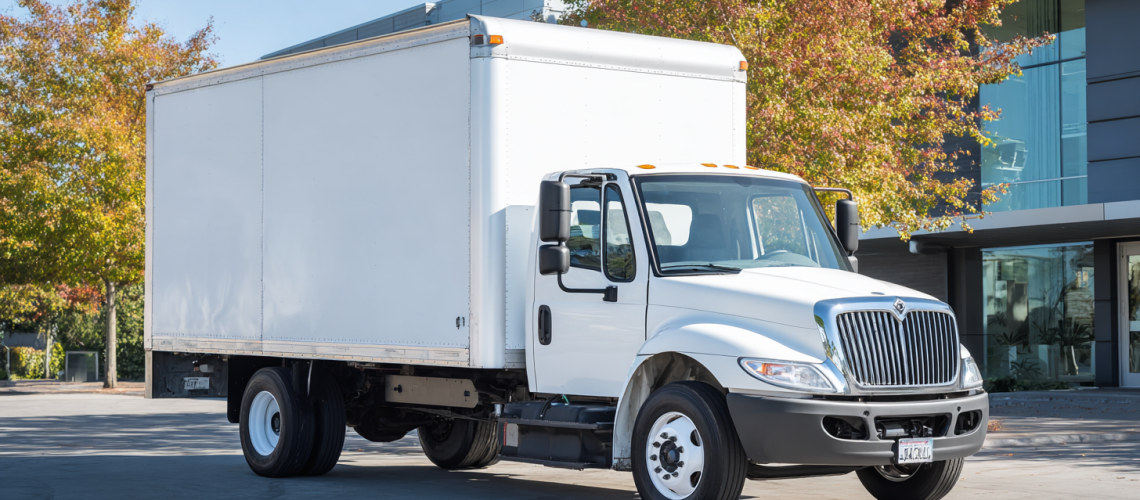
- Delivery trucks and box trucks
- Work vans
- Pickups used primarily for business purposes
- Flatbed trucks
- Tow trucks
- Passenger vehicles used for commercial transportation
The key point many people miss: if you use a pickup truck primarily to transport property for your business, California treats it as a commercial vehicle—even if it looks like a regular personal pickup.
Required Documents for Out-of-State Commercial Vehicle Registration
When you register an out-of-state commercial vehicle in California, you’ll need to gather several documents:
Application for Title or Registration (REG 343): This must be completed and signed by all registered owners.
Out-of-State Title: If you don’t have the title, you’ll need the last issued registration from your previous state along with any supporting ownership documents. If your title is lost or unavailable, you may need to work through California’s title reconstruction process.
Verification of Vehicle (REG 31): A DMV employee, CHP officer, law enforcement officer, or licensed verifier must complete this form. It includes VIN verification and odometer reading where applicable.
Out-of-State Plates or Permits: If you have unexpired plates or permits from another state, you must surrender them to the DMV.
According to the California DMV’s official commercial vehicle registration guidance, these documents form the foundation of your registration application.
Weight Certificates and Weight Fee Programs
Vehicle weight determines which additional forms you’ll need and may even change which registration program applies to your vehicle.
The Weight Declaration Requirement
If your commercial vehicle has an unladen (empty) weight over 6,001 pounds, you must file a Declaration of Gross Vehicle Weight/Combined Gross Vehicle Weight (REG 4008). This form states the maximum weight at which you’ll operate the vehicle in California.
Most commercial vehicles require a certified public scale weight certificate to establish the unladen weight. This includes commercial pickups, not just large trucks.
IRP and CVRA Programs
California operates two weight-fee programs for heavier commercial vehicles:
International Registration Plan (IRP): Most California-based commercial vehicles operating at 26,001 pounds GVW/CGW or more, or operating interstate for hire, must register through IRP rather than standard registration. The California DMV’s IRP program handles apportioned registration for interstate commercial carriers.
Commercial Vehicle Registration Act (CVRA): Some commercial vehicles fall under CVRA weight-fee rules instead of flat registration fees.
These programs involve more complex fee structures based on operating weight and, in the case of IRP, the percentage of miles driven in California versus other jurisdictions.
California’s Strict Emissions and Tax Requirements
California maintains some of the nation’s most rigorous vehicle emissions standards. When you bring a commercial vehicle from out of state, several emissions-related requirements apply:
Smog Check Rules
Most 1976 and newer gasoline vehicles and applicable diesel vehicles require a smog check from a California station when brought in from out of state. The usual exemptions for newer vehicles don’t apply to nonresident vehicles entering California.
If the under-hood emissions label doesn’t show California emissions compliance, the vehicle generally must be at least two model years old and have at least 7,500 miles before California will register it. Narrow exceptions exist, but they’re limited.
The California DMV’s out-of-state vehicle registration guide provides detailed information about emissions compliance requirements for vehicles arriving from other states.
Use Tax Considerations
California’s use tax applies to vehicles purchased within 12 months of bringing them into the state. However, you may be able to avoid this tax if you can prove you paid sales tax in another state. California will credit that payment against any use tax owed.
When California Registration Becomes Required
You must register your commercial vehicle in California when it becomes primarily used, garaged, or based in California. This is true even if the vehicle remains titled and plated in another state.
Nonresident owners can sometimes operate commercial vehicles in California without California registration, but only under limited circumstances. These exceptions typically apply to short-term operations while the vehicle remains based out of state or when the vehicle operates under IRP apportionment.
Once your commercial vehicle is “California-based,” full California registration requirements apply regardless of where you maintain title or plates elsewhere.
Getting Help with Commercial Vehicle Registration
The California DMV’s commercial vehicle registration process involves multiple forms, weight certificates, emissions compliance verification, and program determinations that can be difficult to navigate. One mistake or missing document can mean multiple trips to the DMV or delays that keep your vehicle off the road.
Quick Auto Tags specializes in helping businesses and fleet operators handle California commercial vehicle registrations efficiently. Our team understands the weight-fee programs, knows which documents you’ll need for your specific vehicle, and can guide you through emissions compliance requirements.
Whether you’re managing a single work truck or need to update addresses for multiple commercial vehicles, we streamline the registration process and help you avoid common pitfalls.
Located in Riverside, we serve commercial vehicle owners throughout Southern California. Whether you’re bringing in a single work truck or registering an entire fleet, we can streamline the process and help you avoid common pitfalls.
Contact Quick Auto Tags at (951) 409-9091 to discuss your commercial vehicle registration needs.
Note: This article provides general guidance based on California DMV requirements. Specific situations may involve additional requirements or exceptions. Contact Quick Auto Tags or the California DMV directly for advice tailored to your particular commercial vehicle and business circumstances.
