If you’re registering a commercial vehicle in California, the DMV may require you to submit a weight certificate. This seemingly simple document can be confusing for many truck and fleet owners, especially those bringing vehicles from out of state or registering commercial vehicles for the first time.
At Quick Auto Tags, we help California vehicle owners and fleet managers navigate these requirements every day. Here’s everything you need to know about obtaining and submitting a California weight certificate.
What Is a California Weight Certificate?
A California weight certificate is an official document issued by a licensed weighmaster that shows your vehicle’s unladen (empty) weight. This isn’t just a receipt from any scale—it’s a legal document that must meet specific requirements under California’s Business & Professions Code.
The certificate includes:
- Your vehicle’s empty weight in pounds
- Vehicle Identification Number (VIN) or license plate
- Date and location of weighing
- Weighmaster’s signature and certification
- Reference to applicable Business & Professions Code sections
The DMV uses this unladen weight to determine your commercial registration fees and CVRA (Commercial Vehicle Registration Act) weight fees. That’s why the certificate must come from a California-certified public weighmaster or an accepted equivalent, such as certain Weights & Measures inspection forms.
When Does the DMV Require a Weight Certificate?
The DMV typically requires a weight certificate in these situations:
For commercial vehicles weighing 10,000 pounds or less (unladen weight): Most commercial pickups, box trucks, and work vehicles in this category need a weight certificate when first registered in California.
For new commercial vehicles 8,001 pounds or more: If you’re purchasing a new commercial vehicle that weighs more than 8,000 pounds unladen, you’ll likely need a weight certificate during initial registration.
For out-of-state commercial vehicles: Bringing a commercial truck or work vehicle from another state? California will typically require a fresh weight certificate even if you have documentation from your previous state.
When changing to CVRA registration: If you’re switching a vehicle from personal to commercial use and registering under CVRA, expect to provide a weight certificate.
When You Might NOT Need a Weight Certificate
There are some exceptions:
- New commercial vehicles 8,000 pounds or less purchased from a California dealer (the dealer can certify the weight)
- Vehicles where California DMV already has unladen weight on record and you certify nothing has changed
- Certain vehicles with manufacturer’s certificates or prior California registration records
If you’re unsure whether your specific situation requires a weight certificate, Quick Auto Tags can review your vehicle information and let you know exactly what documentation you’ll need.
Where to Get Your Vehicle Weighed
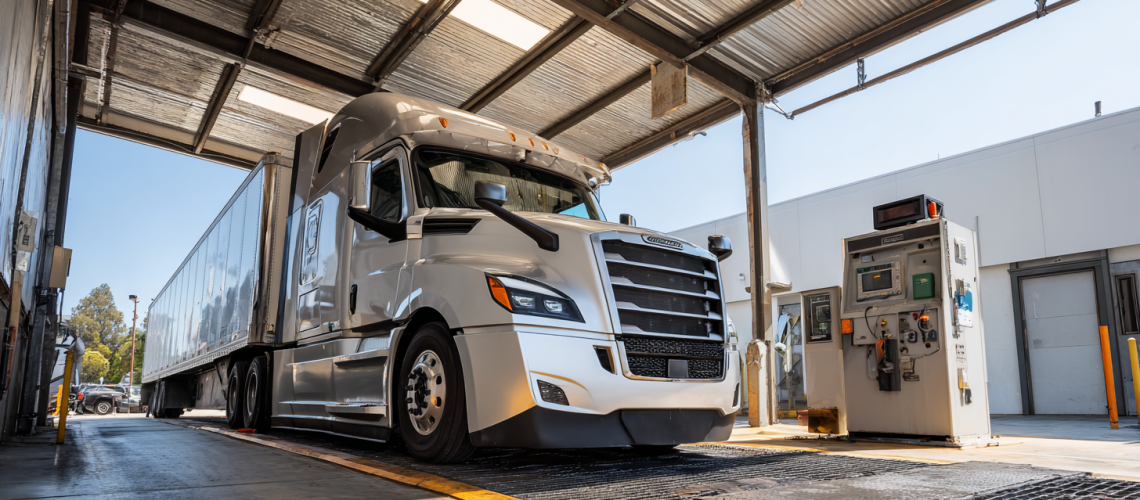
Finding a California-certified public weighmaster is easier than you might think. These licensed scales are located throughout the state at:
- Truck stops and travel centers
- Logistics and freight yards
- Landfills and transfer stations
- Moving and storage companies
- Dedicated public scale businesses
The California Department of Food and Agriculture maintains a searchable database of licensed public weighmasters throughout the state. Many CAT Scale locations are also certified California weighmasters.
Pro tip: Call ahead! Make sure the scale location is certified as a California public weighmaster and can issue the proper DMV weight certificate. Not all commercial scales have weighmaster certification.
How to Get Your Weight Certificate: Step by Step
Step 1: Prepare Your Vehicle
Drive to the scale with your vehicle completely empty—no cargo, tools, or equipment (unless permanently installed). If you want the lowest possible unladen weight for lower fees, consider having minimal fuel in the tank.
Step 2: Tell the Operator What You Need
When you arrive, clearly state you need a “California weighmaster certificate for DMV registration.” This is important because the weighmaster needs to issue a specific type of certificate, not just a standard weight receipt.
Step 3: Get Weighed
The operator will weigh your vehicle and record the unladen weight, VIN or license plate, date, and location. They’ll then complete and sign a California weighmaster certificate that references the applicable Business & Professions Code chapter.
Step 4: Pay the Fee
Expect to pay between $25-$35 for the first weigh. If you need to reweigh (for example, after removing equipment), the fee is typically lower.
Step 5: Review Your Certificate
Before leaving, verify that:
- Your VIN or plate number is correct
- The weight is shown in pounds (not tons)
- The weighmaster has signed and dated it
- All required information is legible
Using Your Weight Certificate with the DMV
Once you have your weight certificate, here’s what to do:
Submit the original: Include the original weight certificate with your DMV application for new registration, out-of-state transfer, change to CVRA, or whatever transaction requires it. The DMV needs the original document, not a copy.
Keep a copy: Make a photocopy or scan for your records before submitting. This can be helpful if DMV or law enforcement questions the declared weight later.
Verify the weight format: The weight must be in pounds. If the scale printed the weight in tons, don’t worry—DMV will convert it to pounds for their registration records, but it’s best to request pounds from the weighmaster when possible.
Include all supporting documents: Along with the weight certificate, you’ll need your title, bill of sale, smog certificate (if applicable), insurance, and any other documents required for your specific registration type.
Common Questions About Weight Certificates
How long is a weight certificate valid?
While there’s no official expiration date, DMV generally expects recent certificates. If your certificate is more than 60 days old when you submit your application, you may be asked to get a new one.
What if my truck has a lift kit or modifications?
Get weighed after all modifications are complete. The weight certificate should reflect the vehicle in its current, road-ready state.
Can I use a weight certificate from another state?
No. California requires weight certificates from California-licensed weighmasters. Out-of-state weight documents typically aren’t accepted.
What’s the difference between unladen weight and GVWR?
Unladen weight is your vehicle’s actual empty weight. GVWR (Gross Vehicle Weight Rating) is the maximum weight the vehicle is rated to carry when fully loaded, including cargo and passengers. DMV bases fees on unladen weight, not GVWR.
Let Quick Auto Tags Handle Your Commercial Registration
Getting a weight certificate is just one step in the commercial vehicle registration process. Between weight certificates, smog checks, insurance requirements, title paperwork, and DMV forms, the process can become overwhelming—especially when you need your vehicle on the road earning money.
Quick Auto Tags specializes in commercial vehicle registrations throughout California. We can:
- Tell you exactly which documents you need for your specific situation
- Guide you to certified weighmaster locations near you
- Review your weight certificate before submission
- Handle your entire registration process from start to finish
- Get you back on the road faster than waiting at the DMV
Whether you’re registering your first commercial pickup, bringing a fleet from out of state, or simply need to renew existing commercial registration, our DMV experts are here to help.
Contact Quick Auto Tags today at (951) 409-9091 or visit us at 5586 Mission Blvd Suite B in Riverside. Let us handle the DMV paperwork while you focus on running your business.
